

Projek EZRA: Modul Tambahan STEM melalui Pengaturcaraan, Robotik, dan Penerokaan Alam represents a successful, six-month initiative conducted at five secondary schools across Malaysia. The core objective was to enhance the STEM education experience by introducing students to hands-on applications in technology and environmental science.
Key Skills Acquired: Students received valuable training in operating 3D printers and programming the Arduino microprocessor. This practical, hands-on learning approach provided them with tangible knowledge in critical technological fields often excluded from standard curriculum.
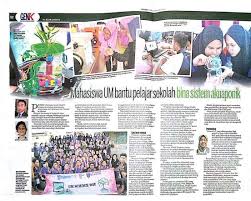
Innovative Highlight - Aquaponics: The project's highlight was the fabrication of a mini aquaponics system. Students applied their new programming skills to design and integrate temperature and humidity sensors. This live monitoring system displayed real-time data on an LCD screen, effectively bridging computer science with biology and environmental science, fostering a deeper understanding of ecosystem dynamics.
Overall, Projek EZRA successfully served as a comprehensive addition to the schools' curriculum. It not only equipped students with practical skills in programming and technology but also fostered an appreciation for environmental exploration and sustainable practices.
.jpg)
.jpg)
Project Summary
Project Execution Period: 6 Months
Target Audience: Secondary School Students & Teachers
Sustainable Community Involvement
Measureable Impact and Outreach
Educational & Equipment Legacy:
The project's enduring contribution is the 15 fully functional aquaponics systems left with the schools, serving as permanent, hands-on laboratories.
Mass Media Coverage & Public Outreach:
The project garnered significant public attention, featuring in three major Bahasa Melayu publications: Kosmo!, Utusan Malaysia, and Sinar Harian.
This extensive coverage resulted in a cumulative readership of almost 2 million readers, effectively amplifying the message of STEM and sustainability to a national audience.
Quality Education
Enhances secondary education by providing hands-on, practical skills in programming, robotics, and future-forward technologies like 3D printing and Arduino.
Affordable & Clean Energy
The use of efficient, low-power Arduino microprocessors and sensors in the aquaponics system teaches students about energy optimization in sustainable technology.
Sustainable Cities
Students learn about urban food security and sustainable food production methods (aquaponics) relevant to congested or resource-limited urban environments.
Responsible Consumption
By designing and monitoring closed-loop aquaponics systems, students grasp the concepts of resource efficiency, waste reduction, and responsible food production.
Climate Action
The focus on environmental exploration and sustainable farming techniques prepares students to become more aware and proactive in mitigating climate change impacts.
Partnerships for the Goals
The project is a direct collaboration between Universiti Malaya and five secondary schools, exemplifying effective partnerships for achieving educational and sustainability targets.
Last Update: 26/01/2026