

The FAST/CePat project was initiated to address a critical gap: 3 out of 4 stroke patients do not access timely treatment (within 3 hours) due to poor awareness of symptoms and the urgency of medical access. The goal was to significantly improve public and patient awareness regarding stroke signs and the importance of seeking immediate medical attention.
Intervention Method: The team utilized the globally recognized FAST message, translated into the accessible local acronym CePat (Cakap yang tidak jelas, Perubahan muka, Anggota lemah, Terus ke Hospital). The intervention tested the effectiveness of educational posters displaying the CePat message placed in the clinic waiting room.
Study Design: Participants were recruited at registration at Klinik Kesihatan Kuala Lumpur. A short questionnaire was administered before and after seeing the doctor. A control group received no intervention during the first week, while the intervention group was exposed to the CePat posters during the second week of data collection (March 2018). The data analysis aims to determine the difference in knowledge improvement between the two groups.
Collaborative Approach: The project's success relied on strong collaboration with clinic staff, including Dr Mimi, Dr Nagammai, and the medical officer in charge, through two planning meetings. A patient advocate was also involved to ensure the materials were easily readable and relevant to the public.
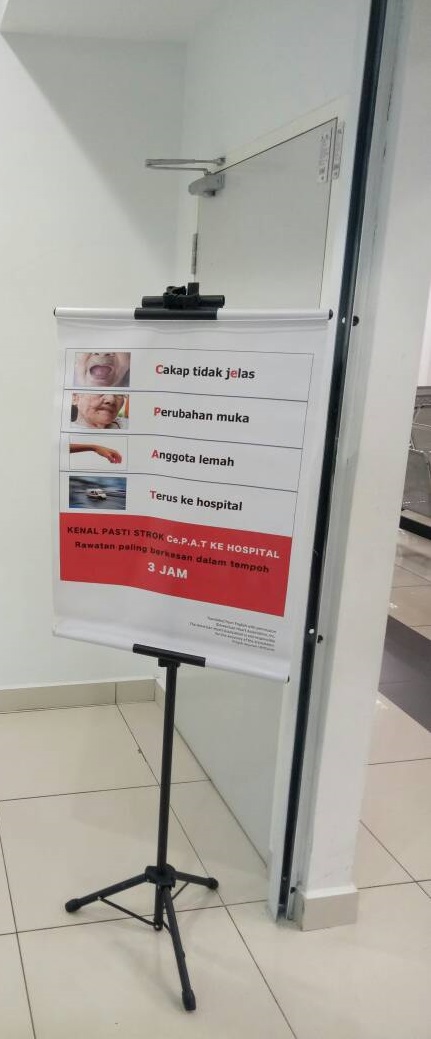
Community Engagement Strategy
Community Feedback & Project Output
Next Steps & Future Collaboration
The final stage of the project involves formal knowledge sharing and planning for sustained impact:
Good Health and Well-being
Target 3.4: This project directly combats non-communicable diseases by increasing public awareness of stroke symptoms, enabling prompt treatment, and reducing mortality/disability.
Reduced Inequalities
By focusing on health literacy within a community clinic setting, the project helps ensure equitable access to health knowledge, especially for vulnerable populations who rely on public health services.
Partnerships for the Goals
This initiative is a robust partnership between the university's research team (academia), public health institutions (Klinik Kesihatan Kuala Lumpur), and community advocates, strengthening effective collaborations.
Last Update: 07/11/2025