

Integrated Community Empowerment for One Health Threats in Malaysia: Addressing the burden of vector-borne and parasitic diseases among vulnerable populations across Malaysia, including urban low-income housing (PPR), plantation communities, and disadvantaged children.
Measurable health outcomes and capacity building achieved across urban PPR, plantation, and welfare shelter settings in Malaysia.
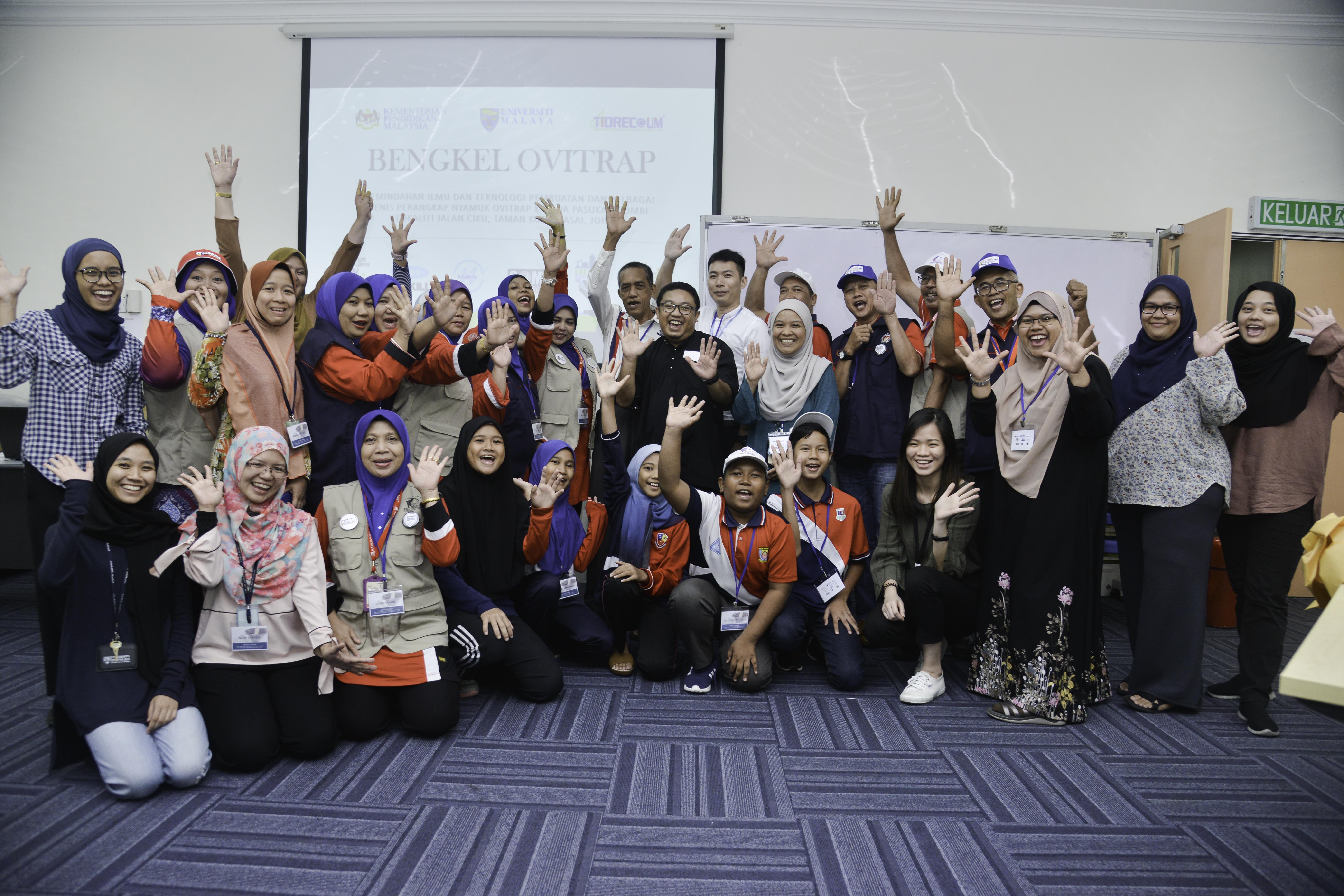
Empowering plantation communities in Ulu Tiram, Johor with DIY ovitraps, tick flagging devices, glo-germ hygiene, and gamified health education.
A "Stop the Spread, Comb Ahead" initiative providing head lice screening, non-permethrin care, and hygiene support for children in Padang Terap, Kedah.
Strategic Aedes prevention in high-rise PPR flats utilizing Modified Sticky Ovitraps (MSO) and rapid diagnostic kits for early virus detection.
Vector-Borne & Parasitic Disease Education, DIY Mosquito Ovitraps & Tick Flagging for Plantation Workers
Dr. Norhidayu binti Sahimin
Tropical Infectious Diseases Research & Education Centre (TIDREC)
Felda REM, Ulu Tiram
Johor Bahru Division
>100 Participants
Plantation Workers & Families
DIY Kits & Gamification
Ovitraps, Repellents & PARA-Clash
Pediculosis Capitis Screening, Permethrin Resistance Awareness & Personal Hygiene Support in Kedah
Dr. Aida Syafinaz binti Mokhtar
Department of Parasitology, Faculty of Medicine
Padang Terap, Kedah
4 Welfare Centers & Shelters
100 Children
Underprivileged & Orphaned Kids
kdr Resistance Management
Non-permethrin Safe Treatment
Modified Sticky Ovitraps (MSO), Rapid Diagnostic Test Kits & Vertical Dengue Surveillance in High-Rise PPRs
Dr. Muhammad Aidil bin Roslan
Department of Science and Technology Studies, Faculty of Science
PPR Seri Semarak & Desa Rejang
Setiawangsa, Kuala Lumpur (200 Residents)
Modified Sticky Ovitrap (MSO)
DIY low-cost adult Aedes mosquito trap
NS1 Ag Rapid Testing
Detecting dengue virus in trapped mosquitoes
Click any myth below to uncover evidence-based realities established through UM-PROTECT field trials.
Reflections from plantation managers, shelter caregivers, and PPR community leaders.
"Learning to make DIY ovitraps and insect repellents from accessible materials has empowered our estate workers to protect their families from mosquito and tick bites in the field."
"The 'Comb Ahead' program gave our children personal grooming kits and restored their confidence. Understanding permethrin resistance helped us manage head lice safely without stigma."
"Building the MSO traps and testing mosquitoes for dengue virus using rapid kits directly in our flat blocks transformed us from passive victims into active health champions."
Capturing hands-on knowledge transfer across plantation workshops, shelter health sessions, and PPR vector surveillance.

Ladang REM workers constructing DIY ovitraps and learning tick flagging techniques for field vector surveillance.

Children in Padang Terap receiving wet combing screenings, personal grooming kits, and dignity-focused care.

Residents of PPR Desa Rejang assembling Modified Sticky Ovitraps (MSO) for vertical block deployment.

Community members testing captured mosquito samples using NS1 Ag test kits for real-time virus detection.
| Strategic Component | Sub-Project Leader | Target Location & Key Focus Area |
|---|---|---|
| UM-PROTECT Flagship Program | Dr. Norhidayu binti Sahimin (TIDREC) | Multidisciplinary Coordination, One Health Surveillance & Vulnerable Group Protection |
| Sub-Project 1: Plantation Empowerment | Dr. Norhidayu binti Sahimin (TIDREC) | Ladang REM, Ulu Tiram, Johor • DIY Ovitraps, Tick Flagging, Glo-Germ & Gamified Learning |
| Sub-Project 2: Head Lice Control (Comb Ahead) | Dr. Aida Syafinaz binti Mokhtar (Parasitology) | Padang Terap, Kedah • Pediculosis Screening, kdr Resistance Awareness, Grooming Kits |
| Sub-Project 3: SIKAP@SETIAWANGSA | Dr. Muhammad Aidil bin Roslan (S&T Studies) | PPR Seri Semarak & Desa Rejang, KL • MSO Traps, Rapid Dengue Test Kits, Vertical Surveillance |
Reducing vector-borne and parasitic disease burdens among PPR urban poor, plantation workers, and shelter children.
Delivering child-friendly health literacy, gamified parasite education, and practical hygiene toolkits.
Promoting Glo-Germ handwashing, elimination of stagnant water breeding sites, and sanitary practices in plantation & shelter settings.
Improving occupational health, safety literacy, and productivity for estate workers exposed to field vector & tick-borne hazards.
Closing health literacy and disease prevention gaps for vulnerable, underserved B40 and plantation populations.
Building community-driven vector surveillance and resilient public housing environments against dengue outbreaks.
Cross-sector synergy between Universiti Malaya, DBKL, MoHE, Johor Plantations Group, MSPTM, and local NGOs.
Watch how One Health community empowerment protects Malaysian families from vector-borne and parasitic disease threats.
Last Update: 18/08/2026