
• Welcome to Universiti Malaya Community Engagement Centre (UMCares)
  • umcares@um.edu.my
  • 03-79677357
logo
logo

Monthly Recap

JULY 2026

2026 World Population Day Celebration

 SDG 3: Good Health & Well-Being   SDG 11: Sustainable Communities   SDG 17: Partnerships for the Goals 

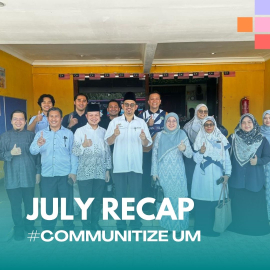
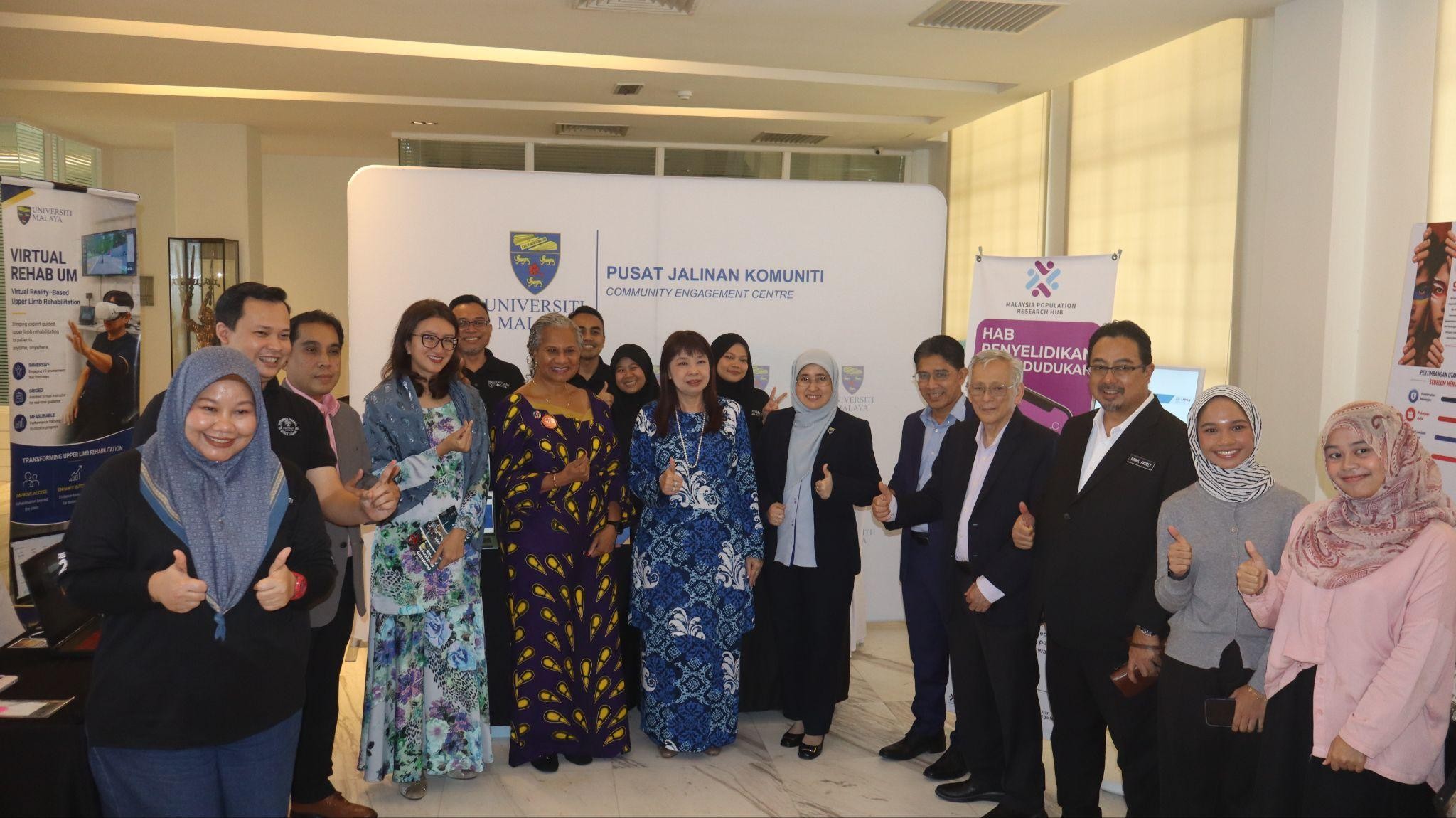
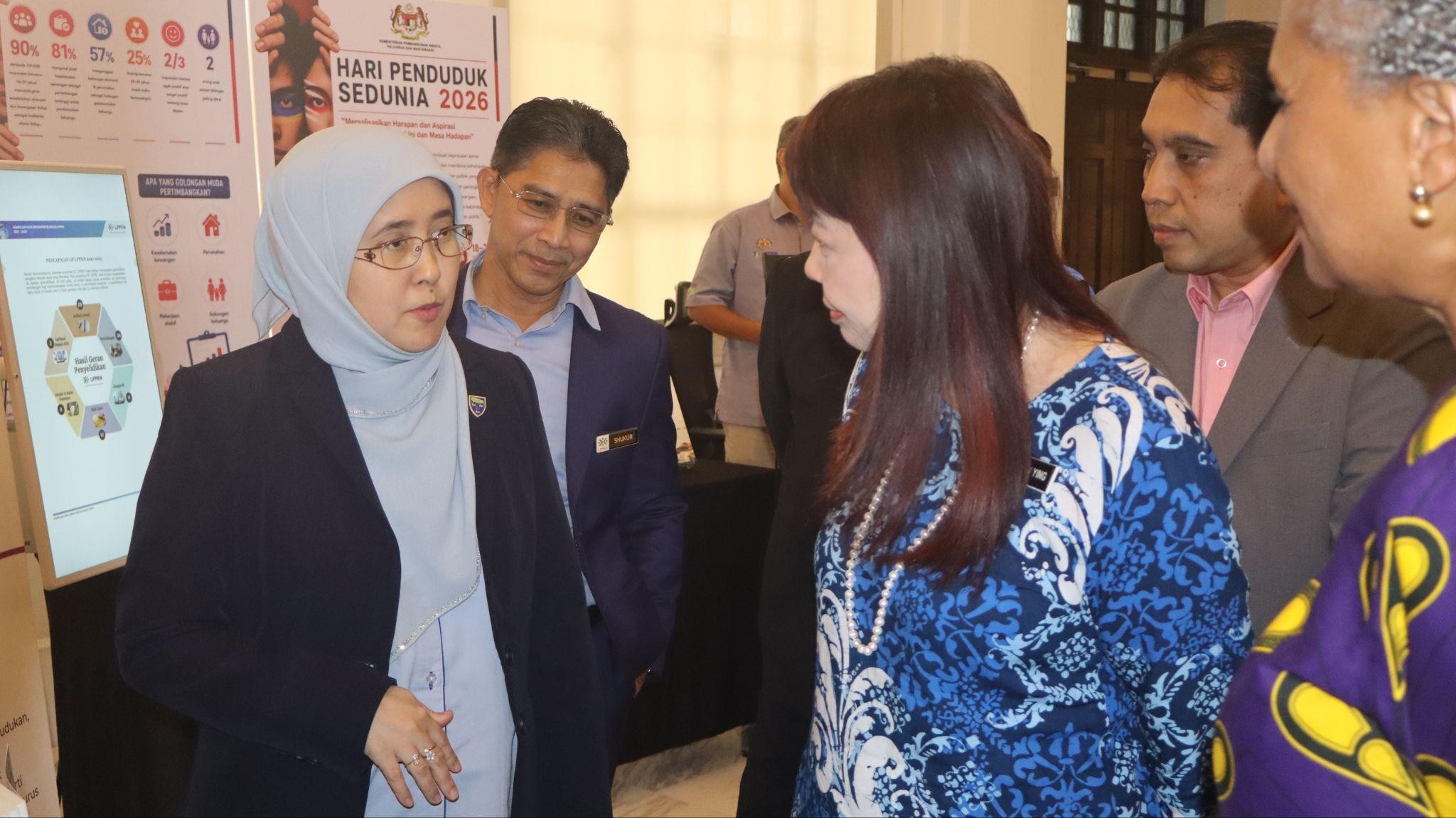
The 2026 World Population Day Celebration was successfully held on 14 and 15 July 2026 at the Asian International Arbitration Centre (AIAC). This two-day event served as a key platform to raise awareness about demographic trends, family well-being, and the vital role of the younger generation in national growth. Bringing together policymakers, researchers, and community advocates, the program fostered strategic dialogue on navigating population dynamics, addressing social challenges, and building sustainable community frameworks.

UMCares’ participation in this event underscores Universiti Malaya’s dedication to advancing research-driven social initiatives. Through insightful knowledge-sharing sessions and collaborative discussions, the program emphasized the importance of bridging academic expertise with public policy and community development. This effort aligns closely with UMCares' core mission to empower society and foster resilient, future-ready communities.
Evaluation "Call for Proposals (CFP) 2026/2027 - Malaysia-UN SDG Trust Fund"

 SDG 10: Reduced Inequalities   SDG 11: Sustainable Communities   SDG 17: Partnerships for the Goals 

The Call for Proposals (CFP) 2026/2027 – Malaysia-UN SDG Trust Fund is a joint national grant initiative established by the United Nations in Malaysia and the MySDG Foundation, supported by the Ministry of Finance. Guided by the core commitment to "Leave No One Behind," the Fund supports innovative, community-centered, and scalable projects that drive measurable progress across three key pillars: People & Prosperity, Planet, and Peace & Partnership. Eligible projects can secure grants ranging from USD 100,000 to USD 500,000 for implementations lasting 12 to 24 months.

As an eligible academic institution, Universiti Malaya academics and researchers are encouraged to submit project proposals or form multi-stakeholder partnerships. Through UMCares, UM researchers can connect research expertise with civil society organizations (CSOs), NGOs, and UN agencies to co-create scalable, high-impact solutions for vulnerable communities across Malaysia—translating academic innovation into real-world sustainable development.

Meeting with Better Dads Malaysia

 SDG 3: Good Health & Well-Being   SDG 10: Reduced Inequalities   SDG 17: Partnerships for the Goals 

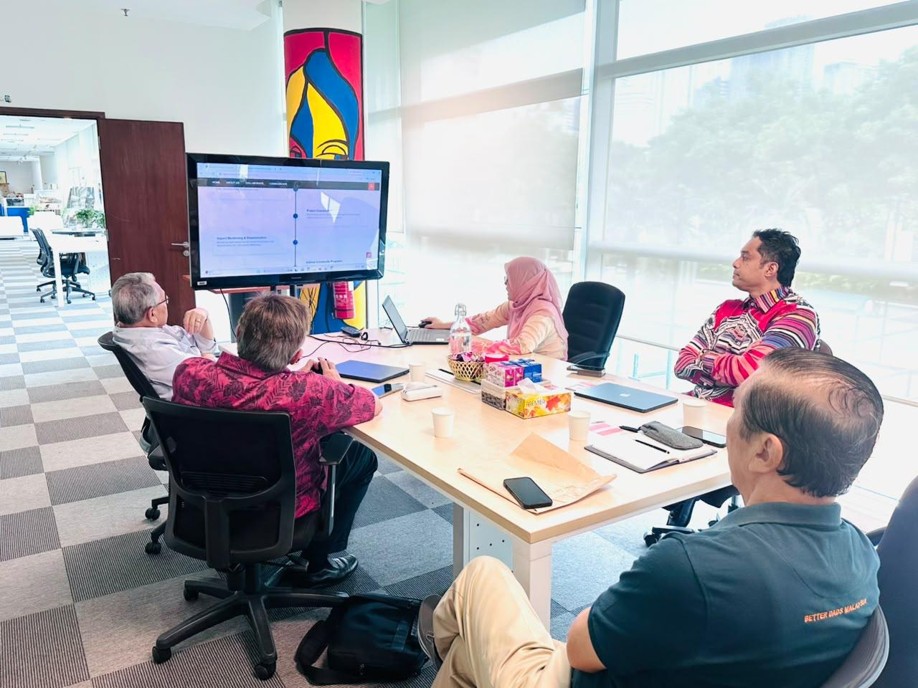
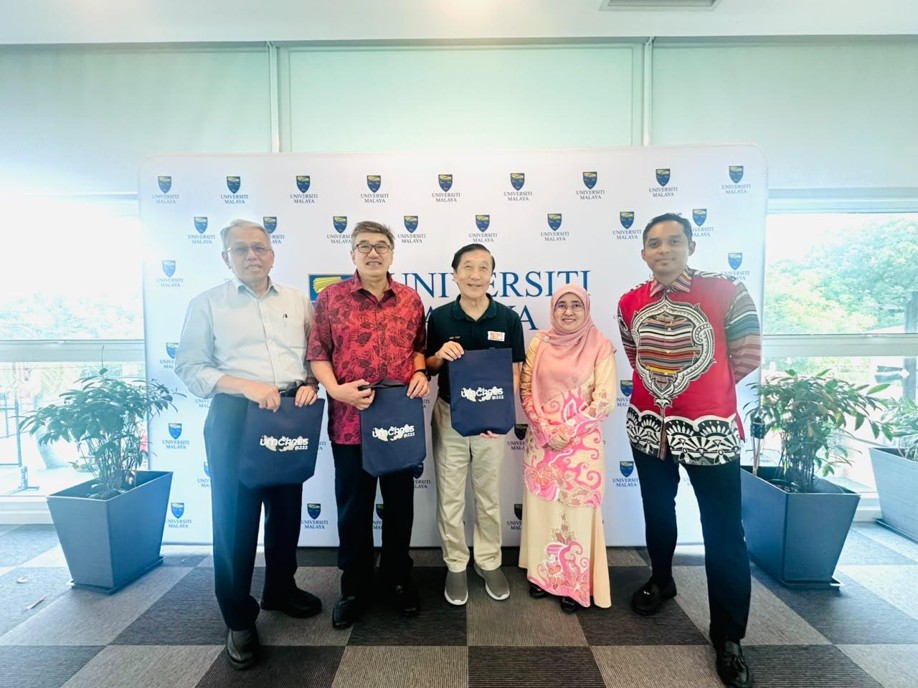
Universiti Malaya, through UMCares, recently held an engagement meeting with Better Dads Malaysia, a non-profit organization dedicated to equipping fathers with essential skills to support family resilience and child development. The discussion focused on establishing a strategic partnership to promote active fatherhood, positive parenting, and mental health awareness, directly supporting progress toward SDG 3 (Good Health and Well-Being) and SDG 17 (Partnerships for the Goals).

The collaboration aims to combine UM’s academic and research capacity with Better Dads Malaysia’s community-driven initiatives through joint workshops, outreach programs, and social impact studies. By connecting campus expertise with practical community engagement, both organizations seek to strengthen family support systems and foster healthier ecosystems for future generations across Malaysia.

UM ASSIST at SK Ayer Keroh

 SDG 2: Zero Hunger   SDG 3: Good Health & Well-Being   SDG 4: Quality Education 

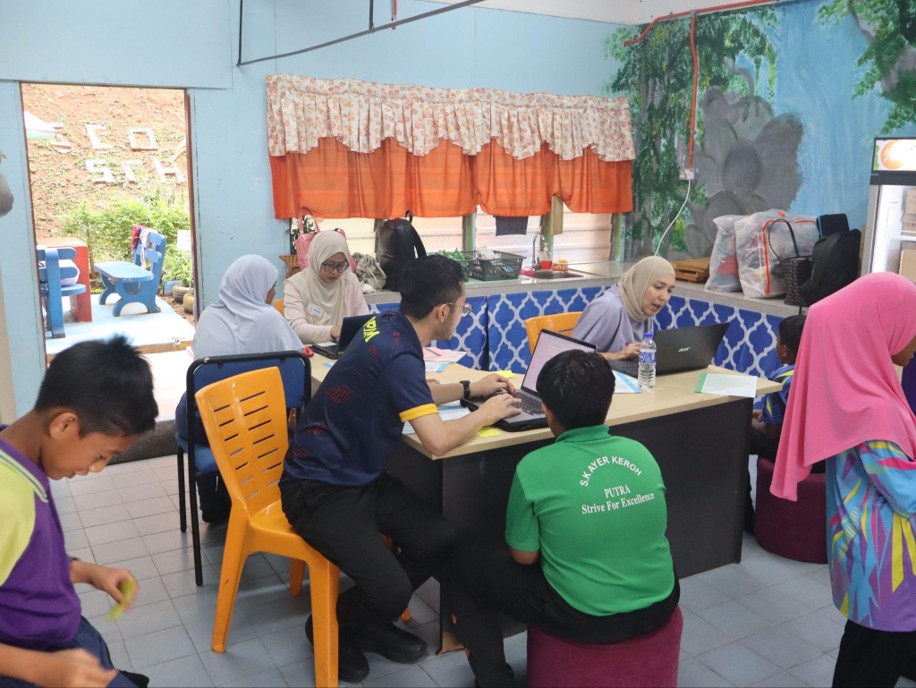
The UM-ASSIST (Innovative Interventions for Growth, Health and Thriving) initiative, funded under the UMCares Research Grant, is a targeted community health program focused on tackling the critical issue of child stunting (isu bantut) and growth faltering. Conducted at Sekolah Kebangsaan (SK) Ayer Keroh, Melaka, this initiative brings together an interdisciplinary team of researchers from Universiti Malaya to address nutritional gaps, monitor physical development, and foster sustainable health habits among primary school children.

Recognizing that stunting negatively impacts physical growth, cognitive development, and academic performance, the project takes a holistic approach. Key components include routine growth screening assessments, nutritional literacy workshops for parents and canteen handlers, and interactive physical health routines. By bridging academic research with direct community action, UM-ASSIST equips the SK Ayer Keroh school ecosystem with actionable tools to ensure young learners overcome growth delays and reach their full physical and intellectual potential.

Highlights