
• Welcome to Universiti Malaya Community Engagement Centre (UMCares)
  • umcares@um.edu.my
  • 03-79677357
logo
logo

Monthly Recap

MAY 2026

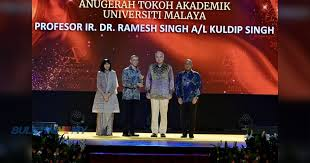
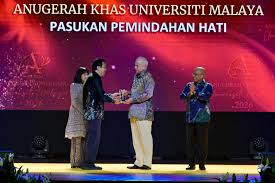
Anugerah Cemerlang Universiti Malaya (ACUM) 2026

 SDG 4: Quality Education   SDG 9: Industry, Innovation & Infrastructure   SDG 17: Partnerships for the Goals 

The Anugerah Cemerlang Universiti Malaya (ACUM) 2026 celebrated excellence by recognizing 64 outstanding recipients across 52 award categories, showcasing achievements in research, teaching, innovation, leadership, and community engagement. The awards highlighted the diverse contributions of individuals and organizations that have strengthened Universiti Malaya’s position as a leading institution both nationally and internationally.

Beyond recognizing achievements, ACUM 2026 reflected Universiti Malaya’s commitment to fostering a culture of excellence, innovation, and continuous improvement. The recognition of exceptional performance serves as motivation for the university community to pursue higher standards, contribute meaningful research, and create a lasting impact on society through education and service.
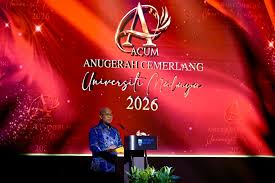
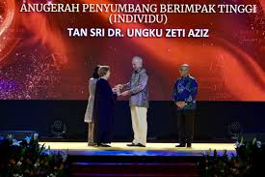
The award ceremony paid special tribute to legendary contributors, presenting the Anugerah Penyumbang Berimpak Tinggi (Individu) to the esteemed Tan Sri Dr. Ungku Zeti Aziz, the Anugerah Tokoh Akademik to Profesor Ir. Dr. Ramesh Singh, and the prestigious Anugerah Khas to the UM Heart Transplant Team (Pasukan Pemindahan Hati).

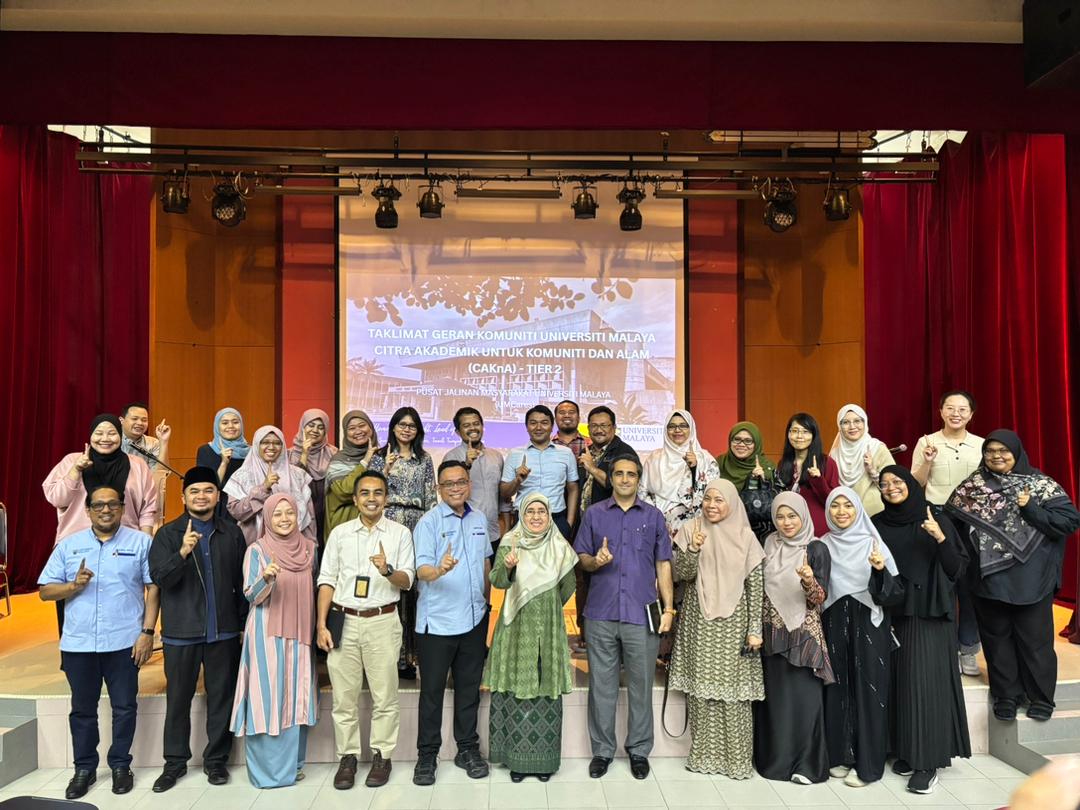
Community Grant Clinic (CAKnA) - Non-Science Field

 SDG 4: Quality Education   SDG 10: Reduced Inequalities   SDG 17: Partnerships for the Goals 

The Community Grant Clinic (CAKnA) is a community engagement initiative by Universiti Malaya that empowers academic staff, students, and administrative personnel to address real societal issues through collaborative projects.

For non-science fields, the grant provides funding ranging from RM5,000 to RM10,000, encouraging innovative community-based programs in areas such as education, economic empowerment, social development, and environmental awareness. Projects are expected to benefit at least 100 community members and run for a minimum duration of 12 months.

One of the unique aspects of CAKnA is its emphasis on applying academic expertise to create sustainable social impact. The program promotes experiential learning by allowing students to work directly with communities while developing leadership, communication, and problem-solving skills.

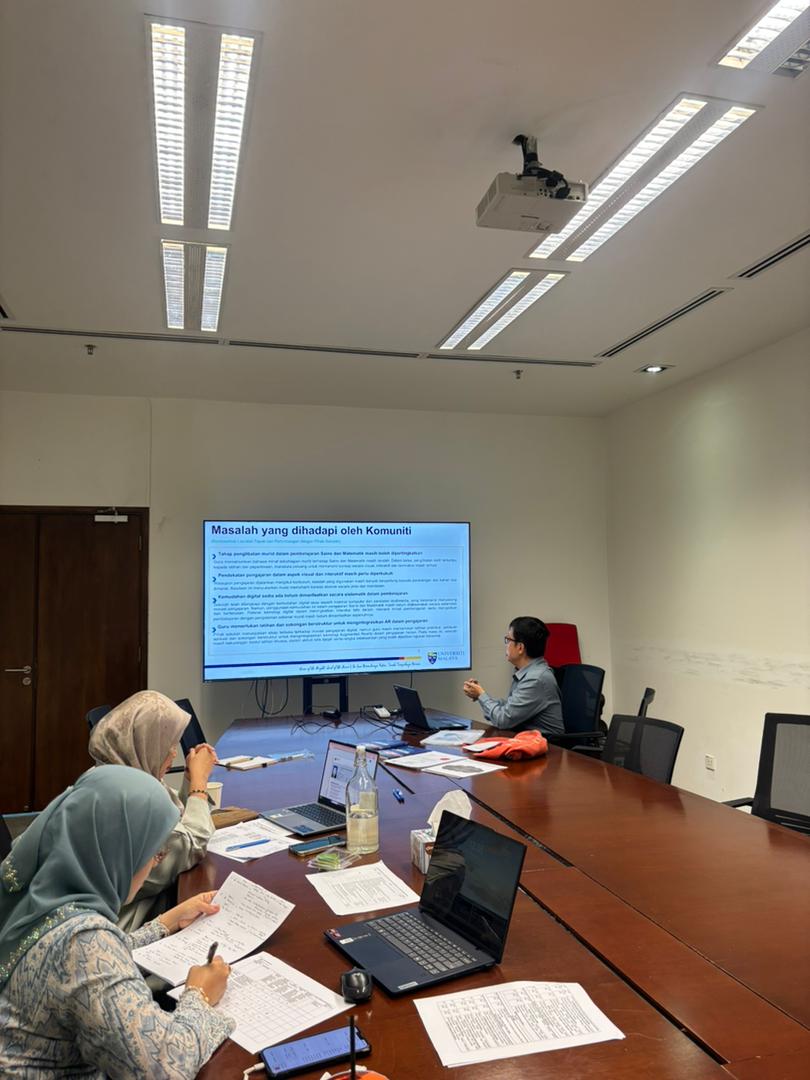
CAKnA Tier 2 Grant Evaluation (Non-Science Field)

 SDG 8: Decent Work & Economic Growth   SDG 11: Sustainable Cities & Communities   SDG 17: Partnerships for the Goals 

The CAKnA Tier 2 Grant Evaluation (Non-Science Field) is an intensive pitching and presentation session where project leaders present their community engagement proposals to a panel of expert evaluators.

Focusing on non-science disciplines such as the social sciences, humanities, arts, and education, this evaluation aims to select high-impact projects that foster university-community synergy. Project leaders are required to demonstrate how their proposed initiatives will drive social innovation, address community needs, and deliver sustainable, meaningful benefits to society in order to secure vital funding.

These evaluation sessions play a central role in ensuring that public funds are targeted toward projects with rigorous milestones, strong student coordination, and a clear long-term hand-off plan that leaves community structures self-sufficient.

Highlights